For many foreigners who move to Thailand—or simply fall in love with it after a visit—learning the Thai language often becomes more than a practical skill. It becomes a doorway into a culture built on warmth, respect, and centuries of tradition. While Thai can seem intimidating at first, with its unique script and tonal system, understanding a few key ideas about the language and the culture behind it can make the learning journey far more rewarding.
Why Thai Feels Different
Thai belongs to the Tai-Kadai language family and is quite different from English or other European languages in several ways. Three features tend to surprise learners the most:
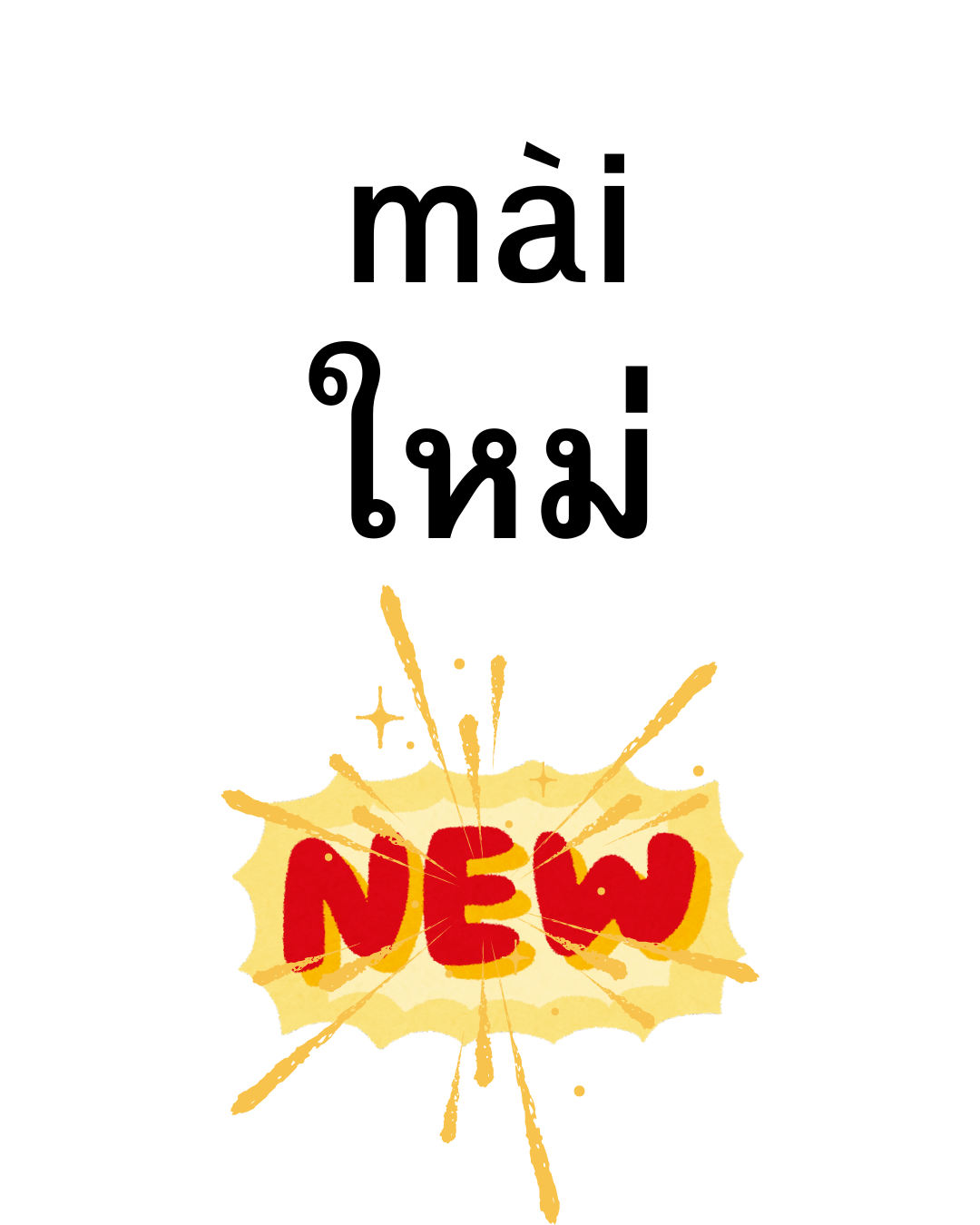
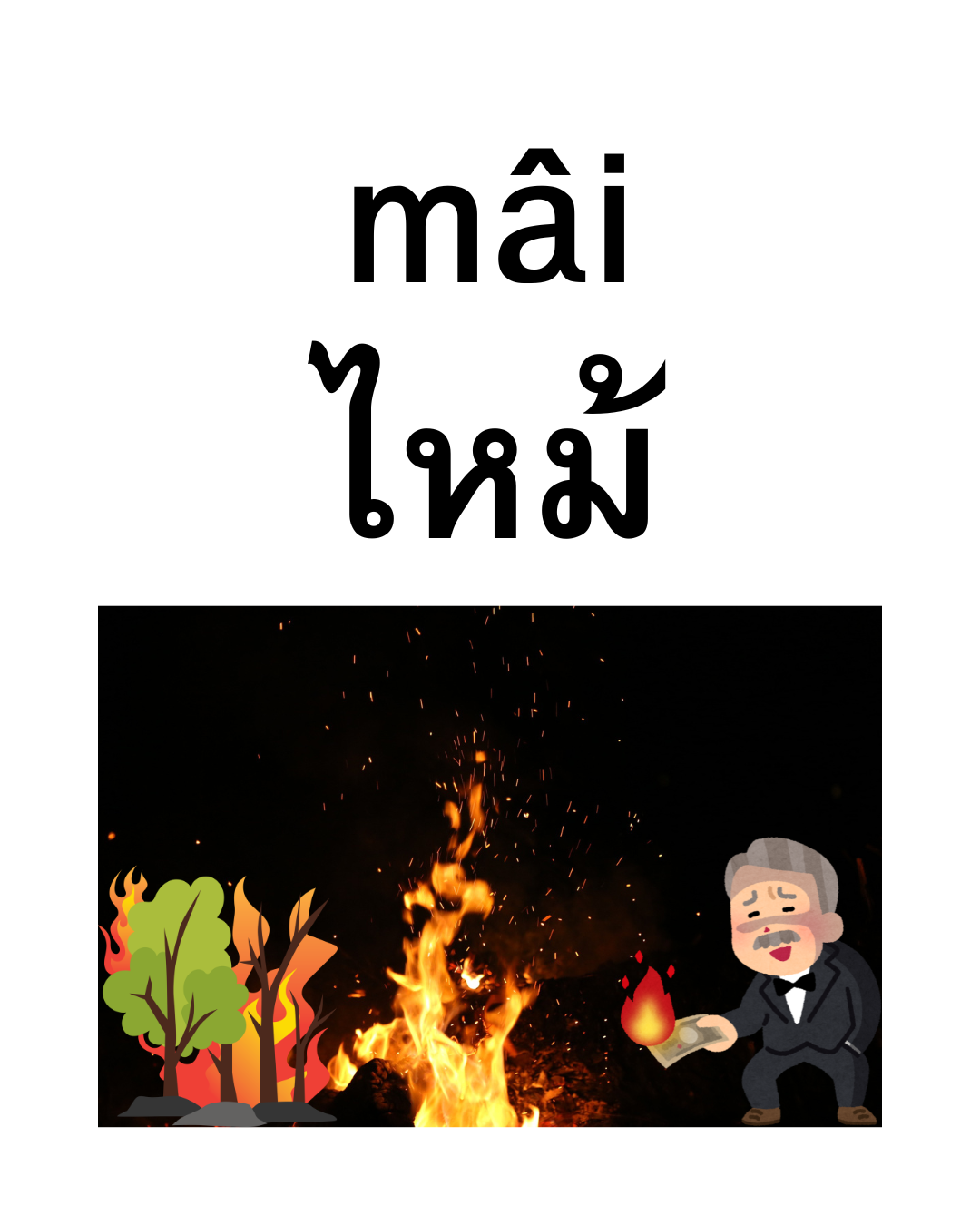
1. It's a tonal language. Thai has five tones—mid, low, falling, high, and rising—and the tone of a word can completely change its meaning. For example, the syllable "mai" can mean "new," "burn," "silk," "not," or a question particle, depending on the tone used. This is why simply memorizing vocabulary isn't enough; learners need to train their ear to hear and reproduce these pitch patterns.
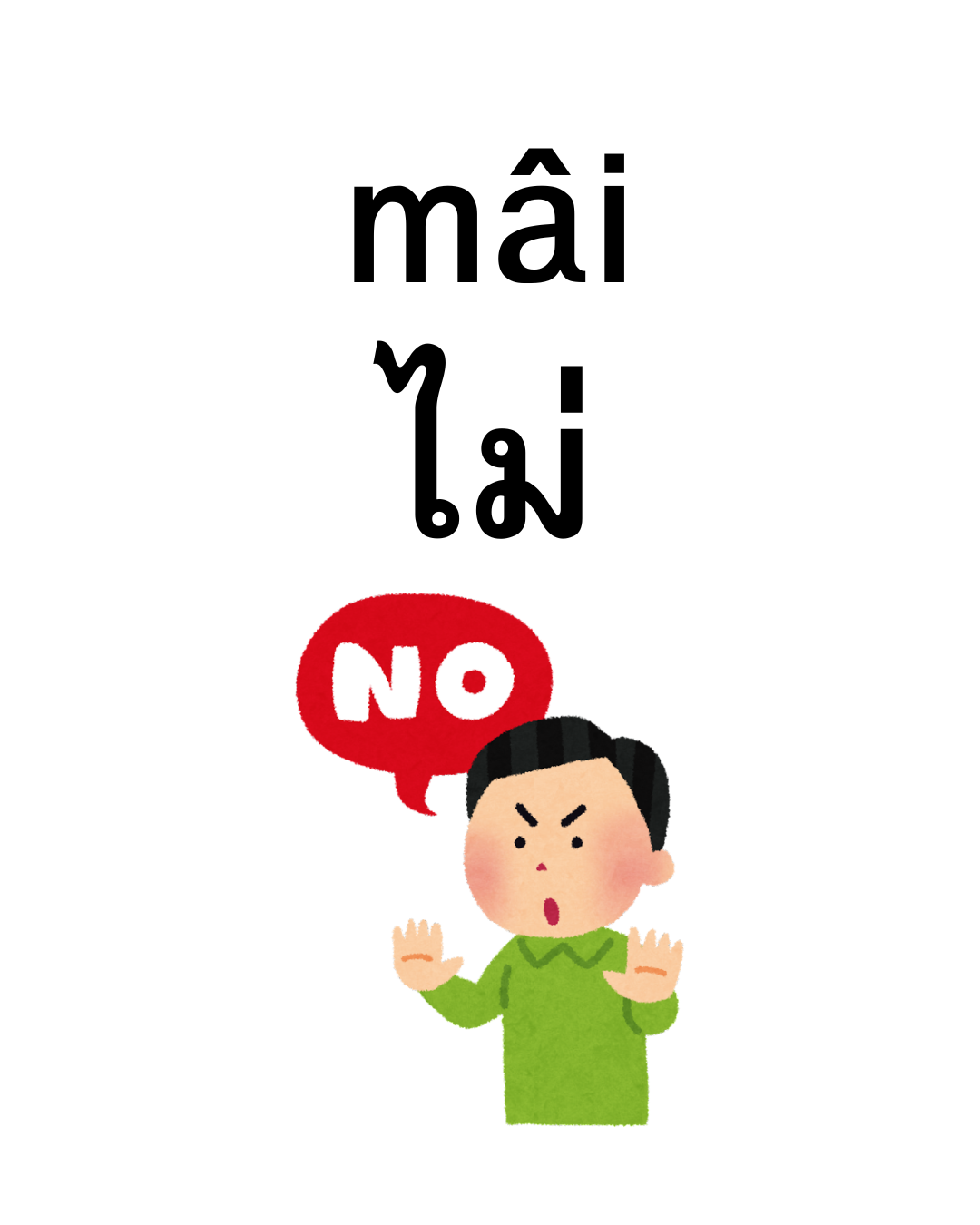
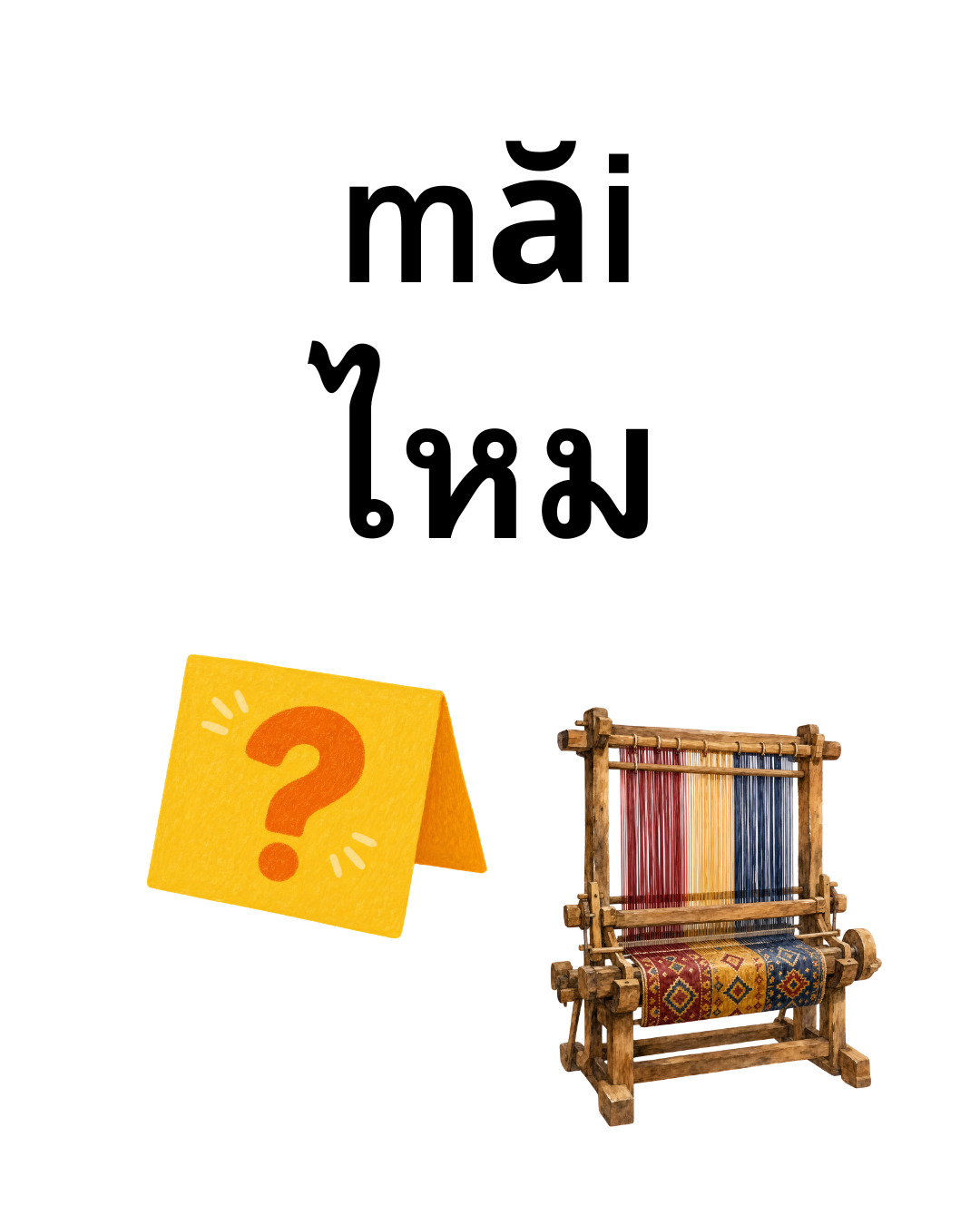
2. It has its own script. The Thai alphabet has 44 consonants and over 30 vowel forms, adapted centuries ago from the Khmer script, which itself derives from ancient Indian scripts. There are no spaces between words within a sentence, which can make reading feel like solving a puzzle at first. However, once learners recognize common words and syllable patterns, reading becomes much more intuitive.
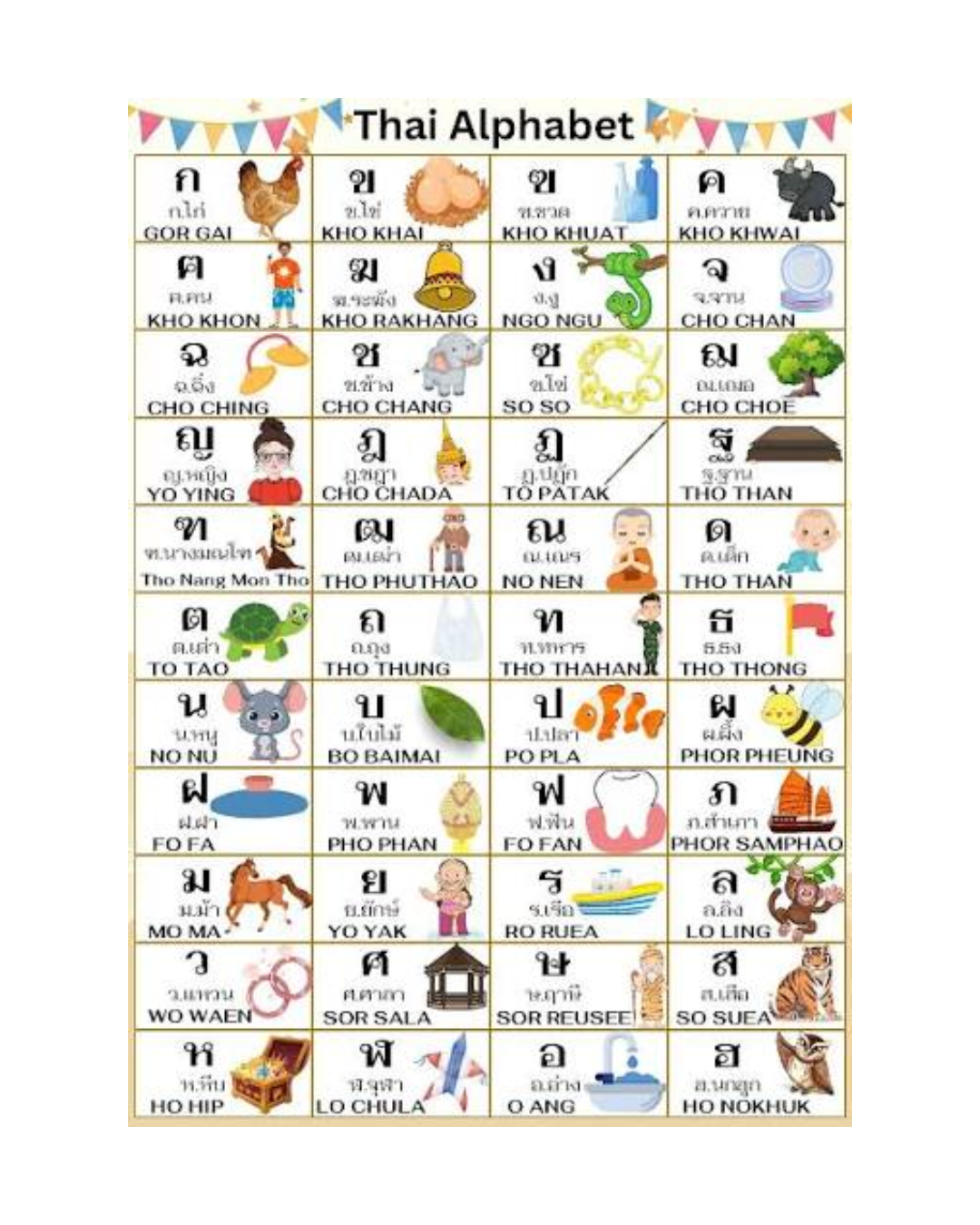
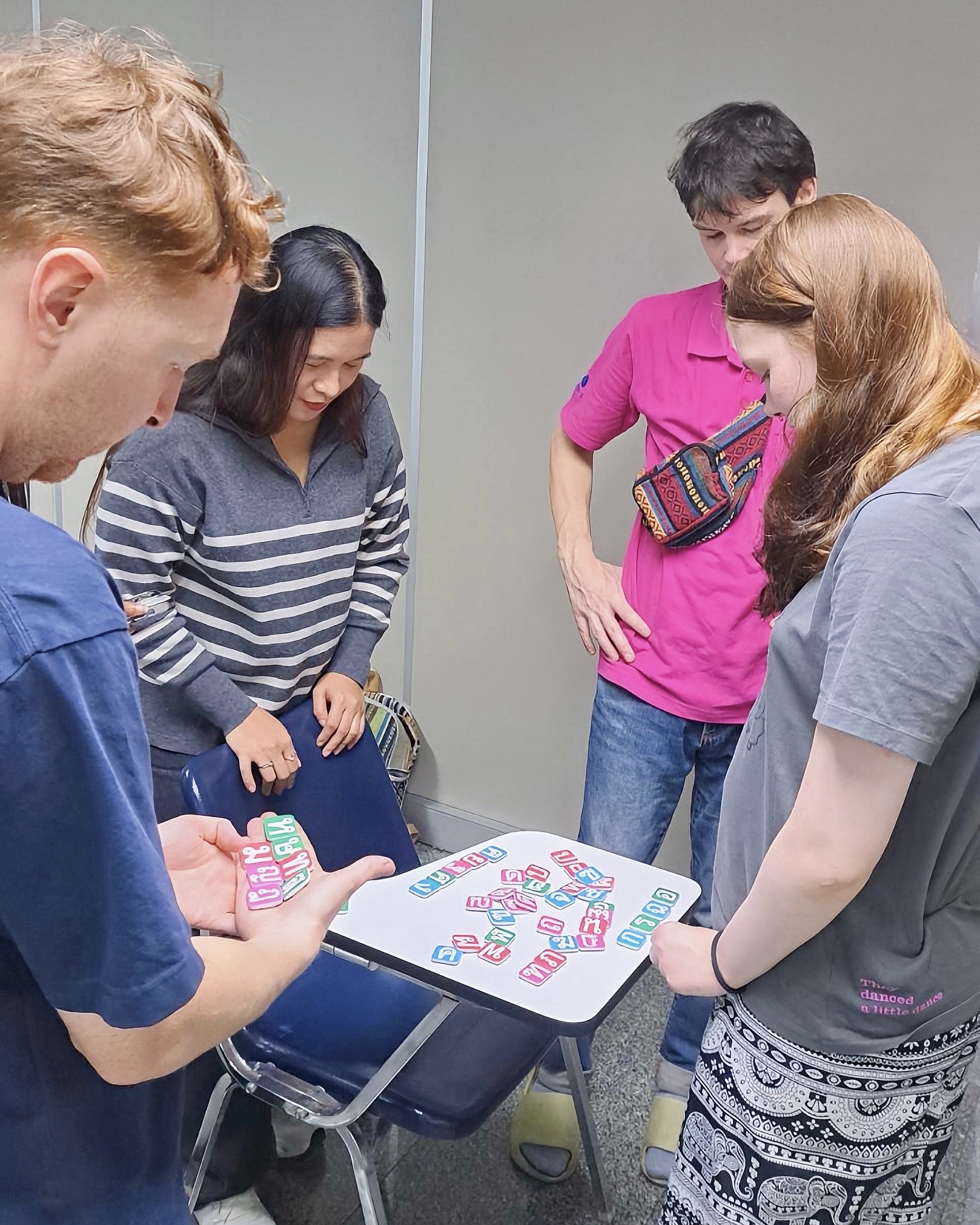
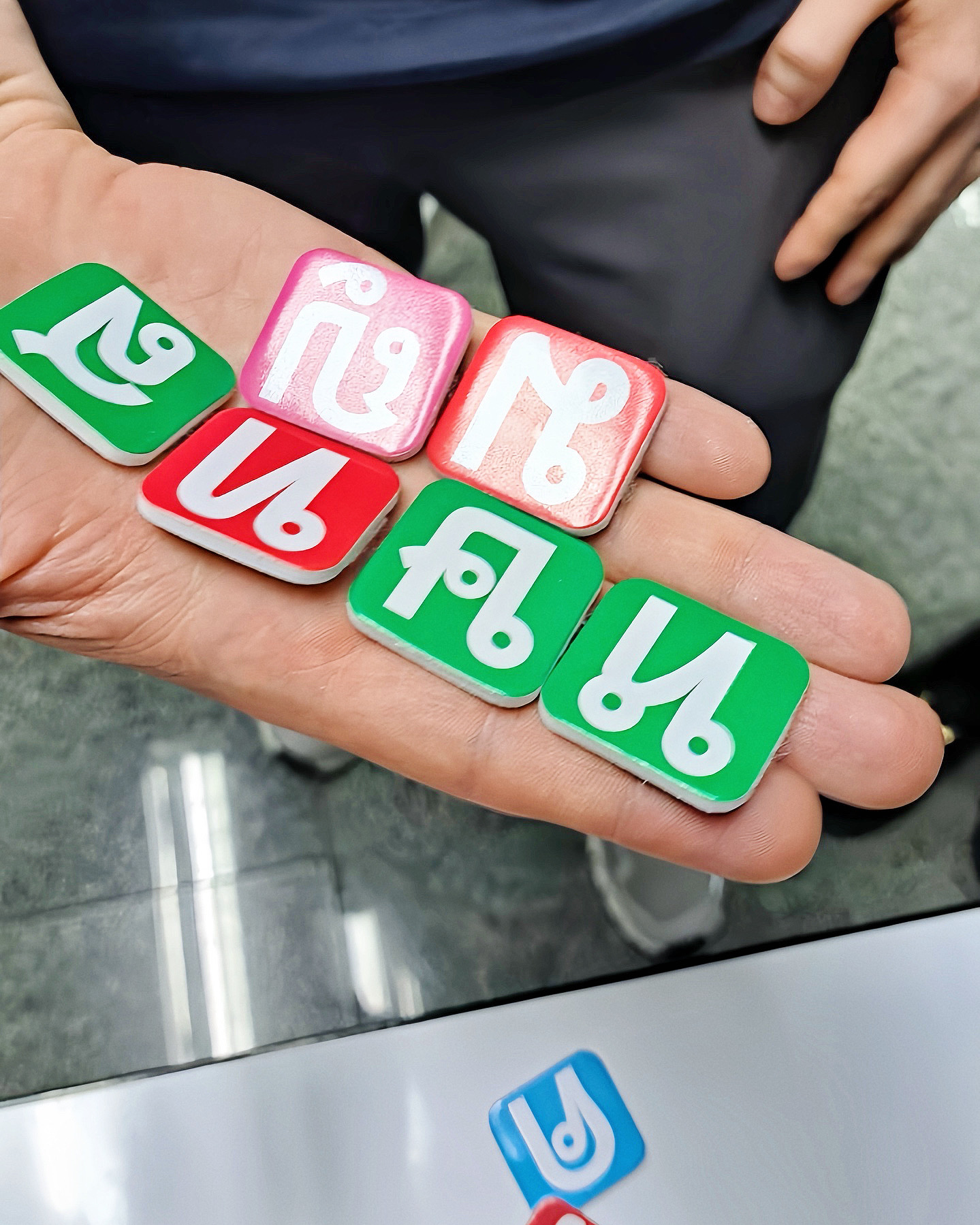
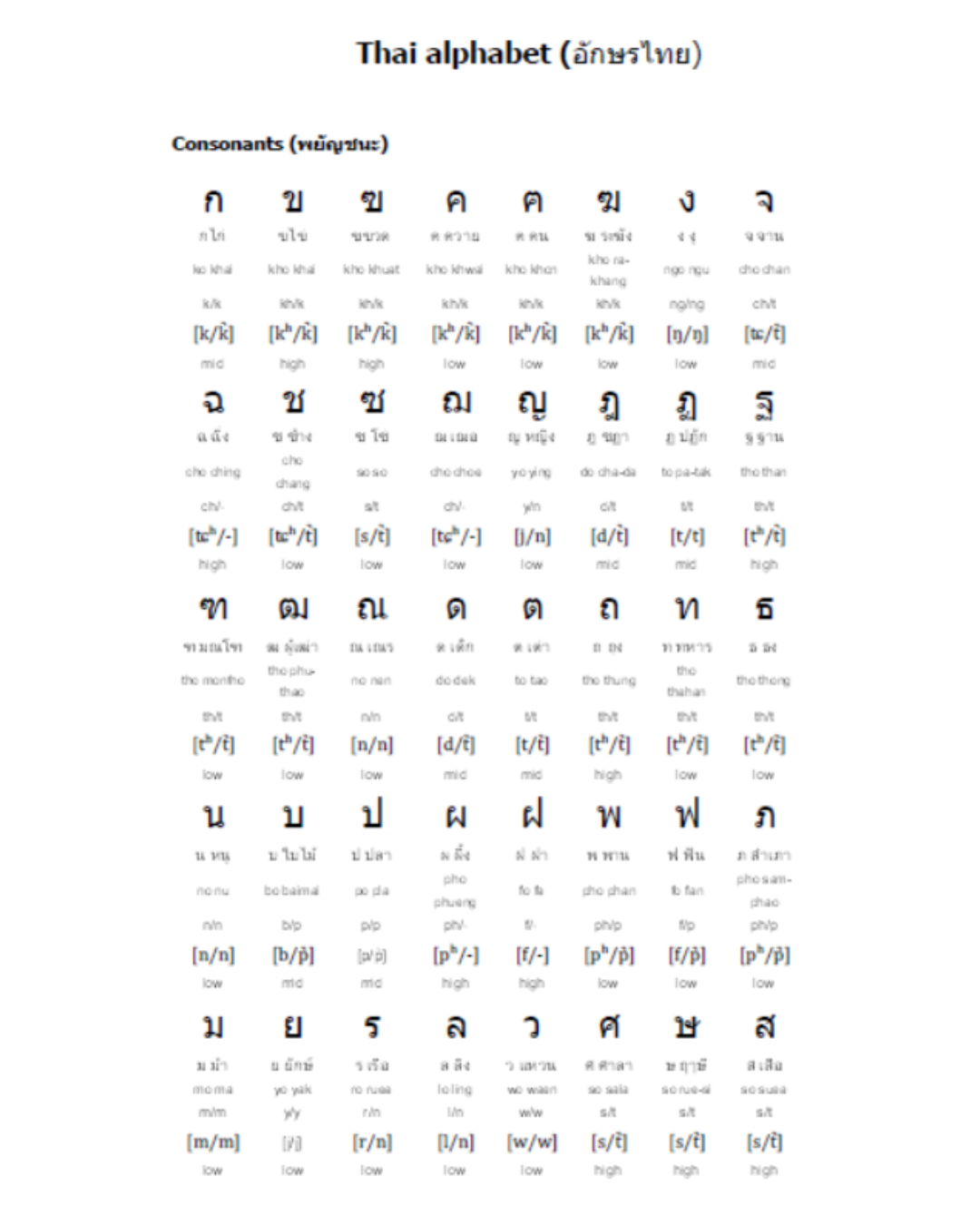
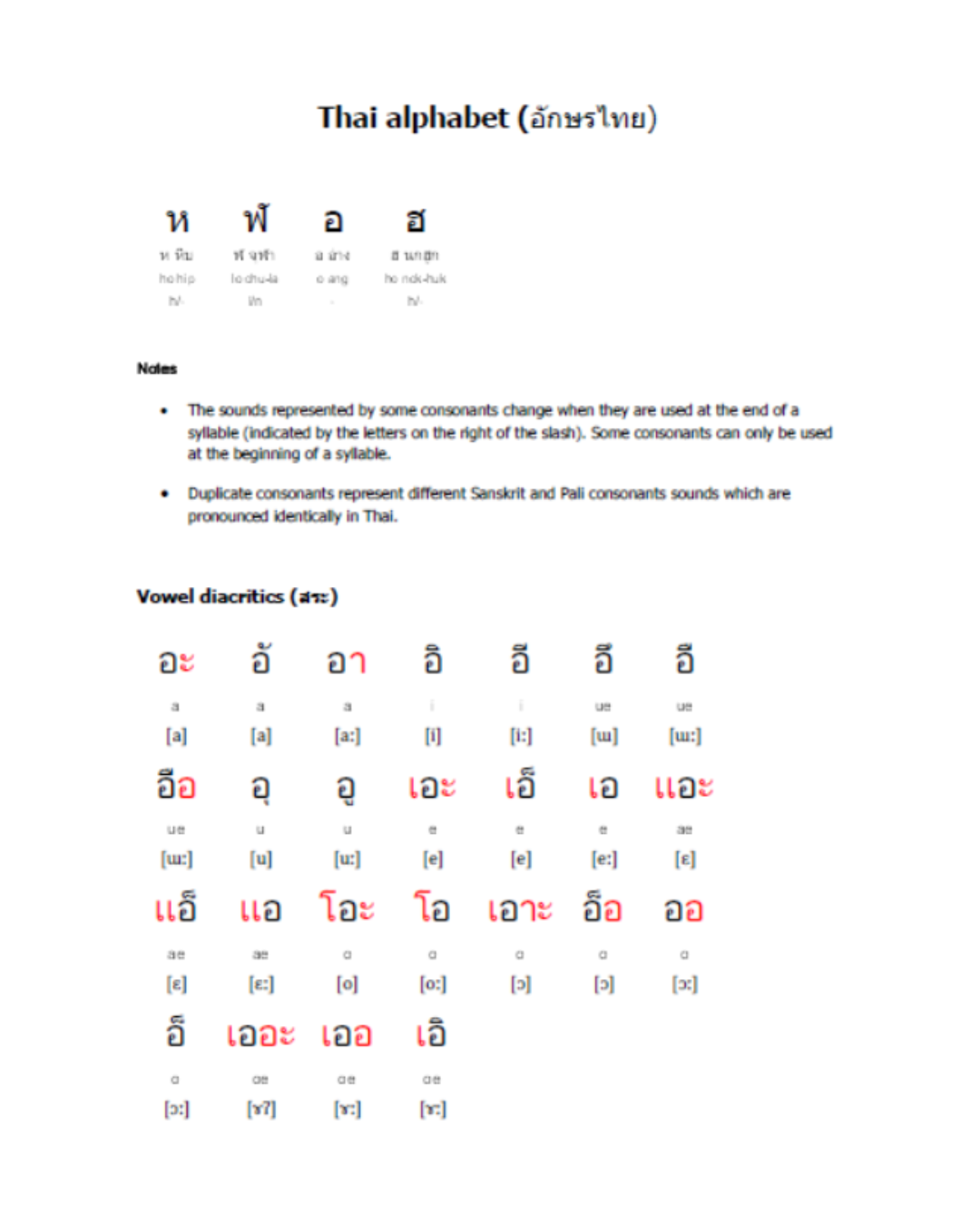
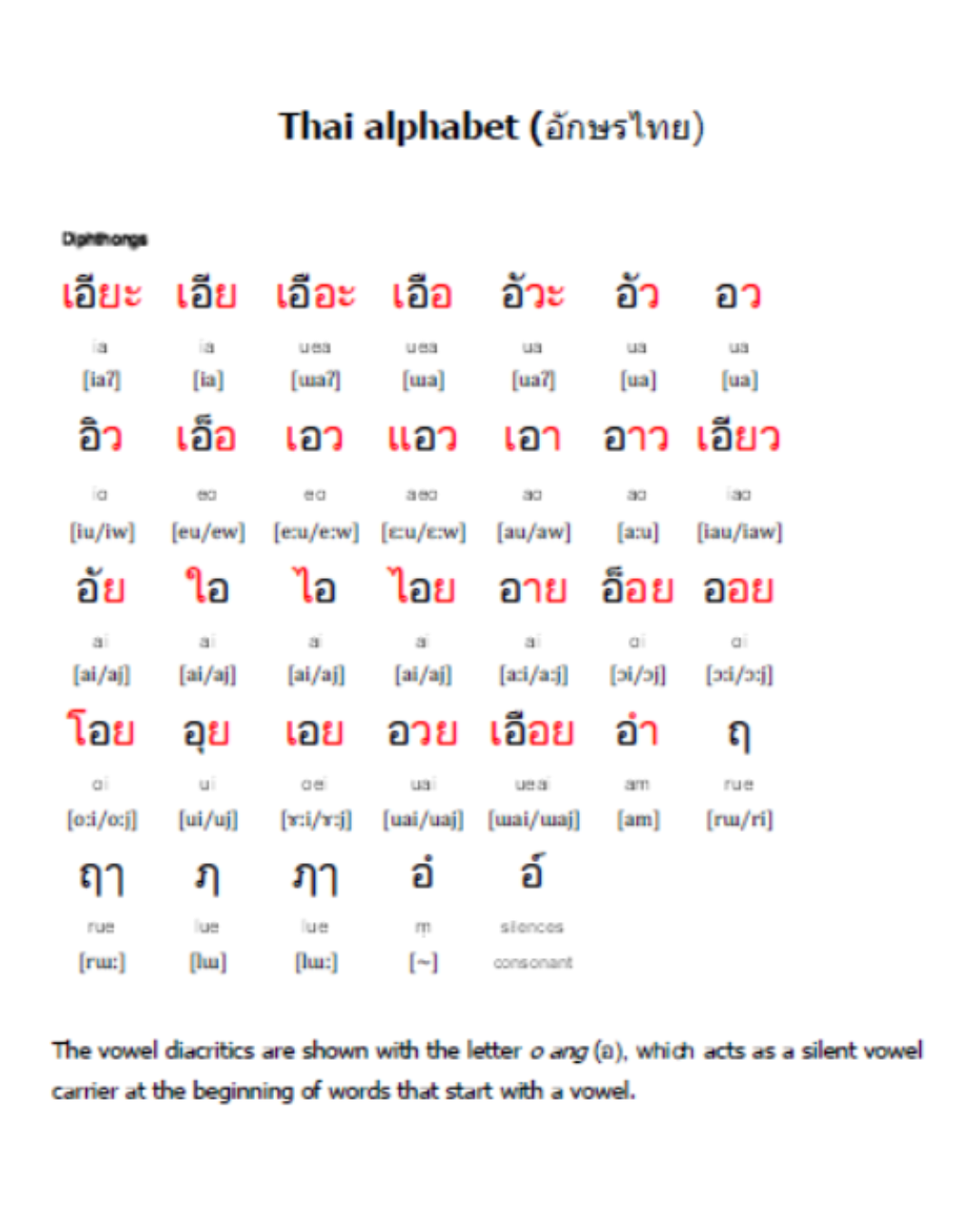
Credit: Thai Alphabet Chart by Fun Learning Skills & The Guide to Writing Systems and Languages by Simon Ager, Omniglot.com
3. Grammar is refreshingly simple in some ways. Thai doesn't use verb conjugations, plurals, or grammatical gender the way many Western languages do. There's no need to memorize verb tenses for every subject—context and simple markers (like time words) do a lot of the work. This makes basic sentence-building easier than learners often expect, even if pronunciation takes longer to master.
Politeness Is Built into the Language
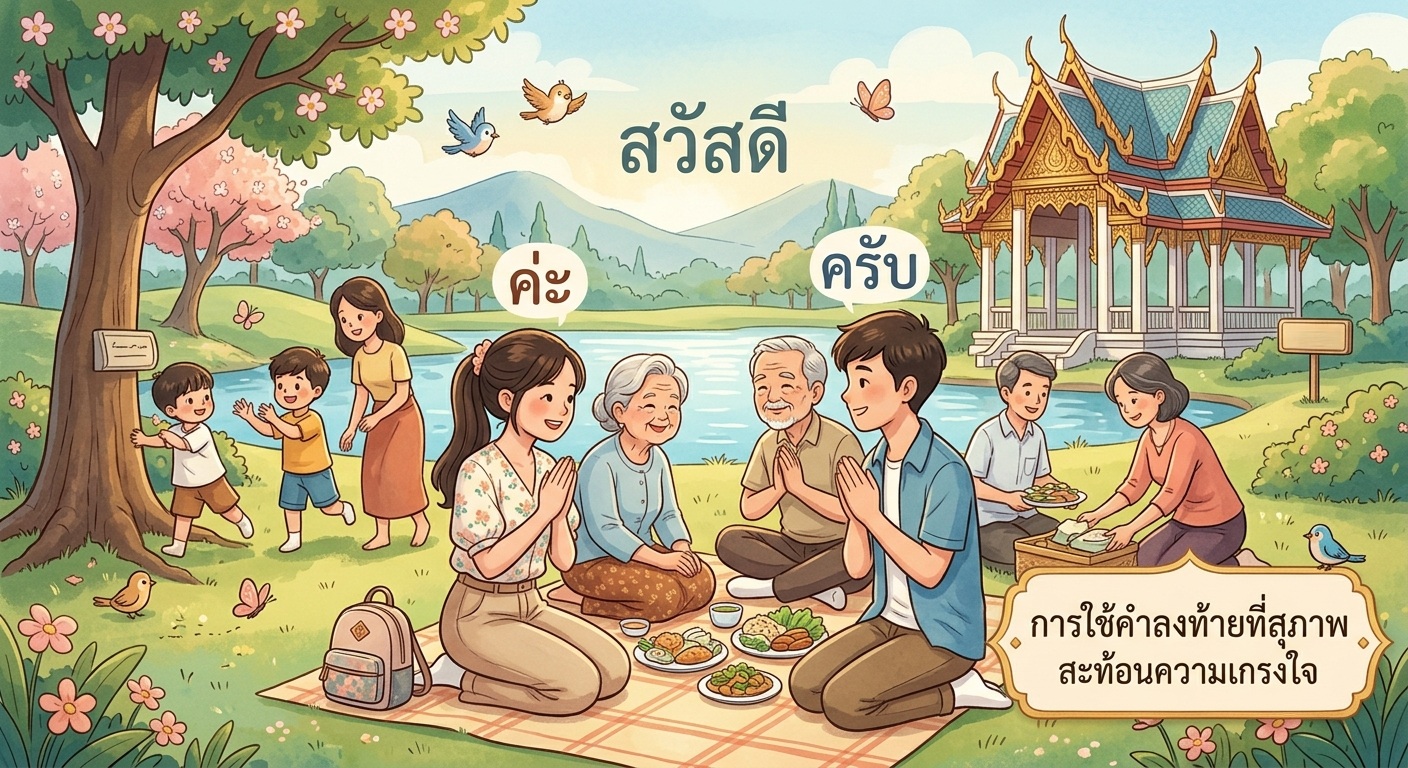
One of the first things students notice is that the Thai language has embedded etiquette. Sentences typically end with a politeness particle—ค่ะ (khá) for female speakers and ครับ (khráp) for male speakers—which softens the tone of a sentence and signals respect. Even a simple "hello" (สวัสดี, sawatdee) is often paired with one of these particles. This reflects a broader cultural value in Thailand: kreng jai (เกรงใจ), a concept that roughly translates to a considerate reluctance to impose on or inconvenience others. It shapes everything from how requests are phrased to how disagreements are handled—often indirectly, with an emphasis on preserving harmony and "saving face" for everyone involved.
Written by: Khruu R (Thai Language Instructor) at Thai Solutions.
14 September 2026
Ready to Start Your Thai Language Journey?
Whether you are looking to navigate daily life in Bangkok with ease, connect deeper with local culture, or stay long-term with an Education Visa (ED Visa) / Destination Thailand Visa (DTV Visa) we are here to guide you every step of the way.Our communicative Thai courses are specially designed for expats, digital nomads, and international students who want practical, effective, and fun learning experiences both inside and outside the classroom.
Start your Thai journey with us today!
- Contact us to learn more about our upcoming term dates and course packages.
- Inquire about our ED Visa / DTV Visa support for long-term stays in Thailand.